The Psychology of Decision Procrastination
Image Preservation:
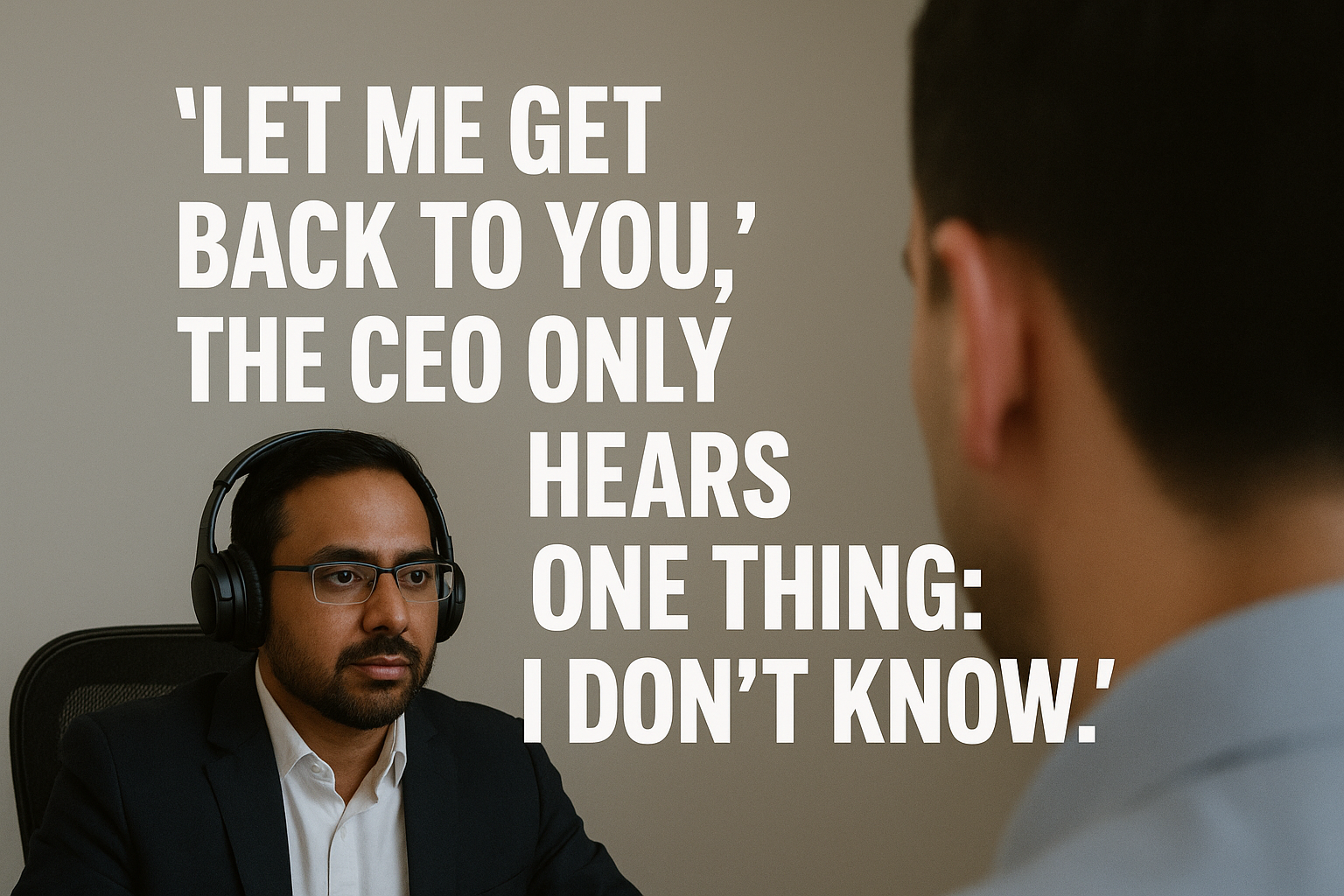
Many senior leaders - especially in traditional hierarchies - have built their professional identity around the projection of competence and certainty. In this identity structure, saying I do not know or I need to study this feels not like intellectual honesty but like an admission of inadequacy. The result: rather than acknowledging uncertainty and taking time to learn, the leader delays, deflects, and disappears - hoping the problem will resolve itself or that someone else will make the decision for them.


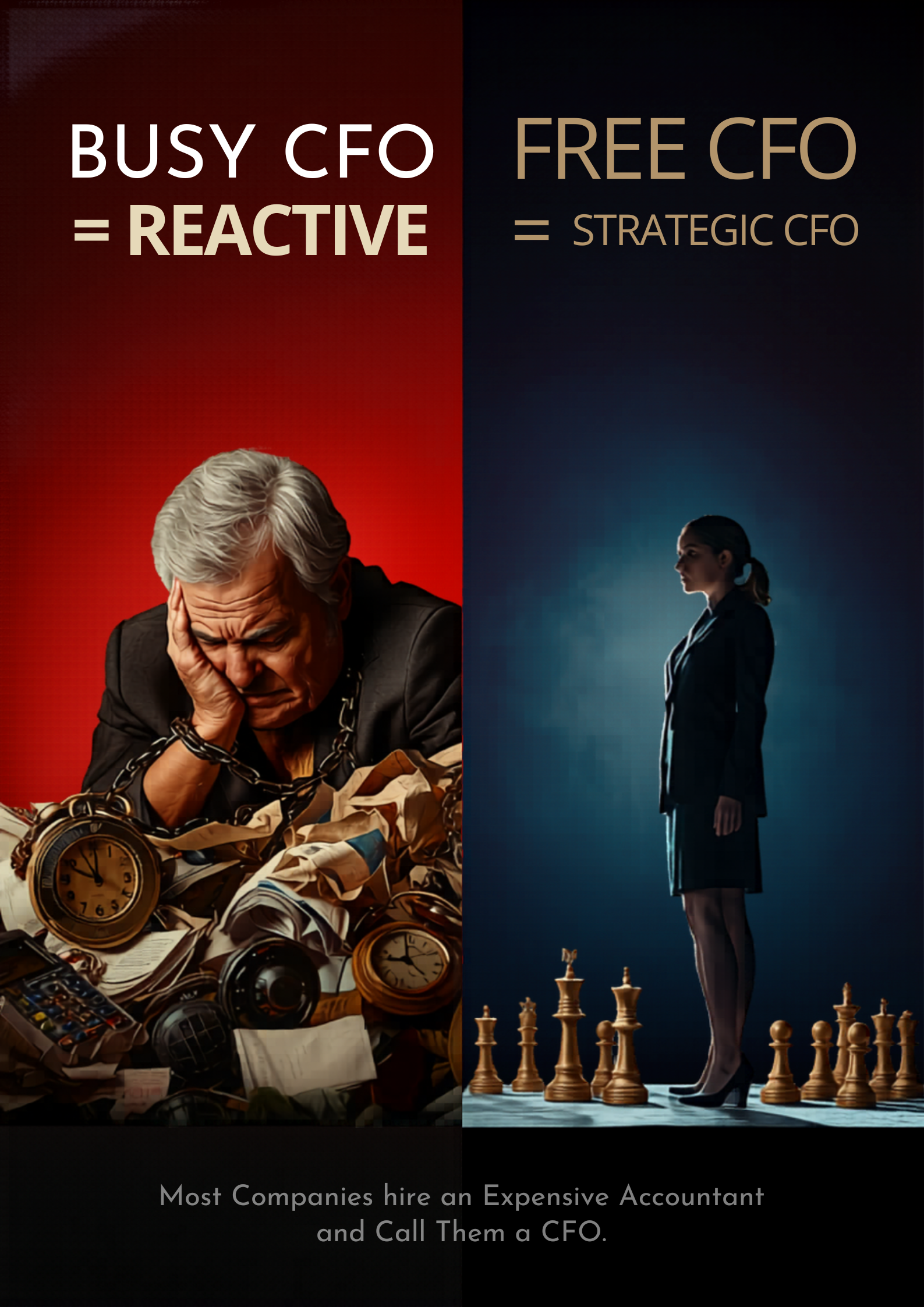
The most dangerous boss isn’t the one who makes wrong decisions. It’s the one who makes none.
Loss Aversion (Kahneman and Tversky):
Prospect Theory demonstrates that the psychological pain of a loss is approximately twice as powerful as the pleasure of an equivalent gain. In decision-making terms, this means that the fear of making a wrong decision is psychologically twice as powerful as the prospect of making a right one - creating a systematic bias toward inaction, particularly when the outcome is uncertain.
The Overcrowded Decision Queue:
The CFO who has failed to build a high-functioning, autonomous finance team faces an impossible decision load. When every significant financial question requires the CFO’s personal attention, the cognitive bandwidth for genuinely strategic decisions evaporates. The result is a queue of decisions, all awaiting the CFO’s attention, all degrading in parallel as the delay compounds.
The Warning Signs of Decision Procrastination
The following patterns are warning signs - both in your own behaviour and in the organizations you are assessing: The same issue appearing in the fourth consecutive meeting without resolution. The phrase let me check with a few more people used not as genuine stakeholder consultation but as a mechanism for outsourcing the discomfort of judgment. The ghost inbox - acknowledged, never actioned. The pattern of commissioning additional analysis on a decision where the existing analysis is sufficient - because more data provides the appearance of diligence while postponing the moment of commitment.
The Cost of Non-Decisions
The organizational cost of decision procrastination is rarely measured - but it is enormous. Every unmade decision creates downstream consequences that compound with delay: the capital allocation decision not made costs the organization the return it would have generated.
Decision procrastination is not a scheduling problem - it is a leadership character problem dressed as one. The CFO who consistently avoids decisions is creating organizational damage that compounds silently until it explodes visibly.
Maste Financial Modelling, Financial Reporting, FP&A, Budgeting, Costing, Accounting, Strategy & more:
👉 Premium Finance Courses:
https://ibsedu.co/all-courses.php
🎥 Free Finance Lessons (Subscribe on YouTube):
https://www.youtube.com/@IndianBusinessSchool1
👉 Premium Finance Courses:
https://ibsedu.co/all-courses.php
🎥 Free Finance Lessons (Subscribe on YouTube):
https://www.youtube.com/@IndianBusinessSchool1
Leave an Opinion
Categories





No posts available in this category.
No posts available in this category.





Recent Opinions :
No Opinion yet. Be the first one!